Bone, Infection & Trauma
When Antibiotics and Surgery Aren't Enough, Oxygen Completes the Healing.
Serious infections, bone disease, and traumatic injuries share a common problem: the tissue most in need of healing is often the least oxygenated. Antibiotics require oxygen to work. Bone regeneration requires oxygen. Crushed and ischemic tissue can only survive with oxygen. Hyperbaric oxygen therapy delivers what these conditions need most — directly, at therapeutic concentration, where other treatments cannot reach.
How HBOT works for bone and infection
Oxygen is bactericidal. Bone heals when oxygen reaches it.
Many of the bacteria responsible for severe bone and tissue infections — including anaerobic organisms that cause gas gangrene and necrotizing fasciitis — are directly killed or inhibited by high concentrations of oxygen. At 2.0–2.5 ATA, HBOT creates a local oxygen environment toxic to these pathogens.
At the same time, most antibiotics used to treat bone and tissue infections are oxygen-dependent for their mechanism of action. In hypoxic infected bone or soft tissue, antibiotics underperform. HBOT restores the oxygen tension that makes antibiotics work as intended — raising the cure rate from surgery-plus-antibiotics alone to 86% in refractory osteomyelitis.
For traumatic injuries — crush injuries, compartment syndrome, acute ischemia — HBOT re-oxygenates tissues in the critical hours and days after injury, preventing secondary necrosis, reducing edema, and preserving tissue that would otherwise die. Time is a critical factor: the sooner HBOT begins, the better the outcome.
86%
cure rate for refractory osteomyelitis when HBOT is used alongside antibiotics
✓
Osteomyelitis and crush injuries covered by Medicare & most major insurers
2–3×
enhancement of antibiotic effectiveness in hypoxic infected tissue under HBOT
40 yrs
our chamber manufacturer's safety record — zero equipment-attributable accidents
Conditions we treat
Bone, infection and trauma conditions at Bay Area Hyperbarics
Click any condition to read the research, understand what to expect, and hear from patients.
Insurance covered
Osteomyelitis
(Chronic Refractory Bone Infection)
The FDA, AMA, and Medicare all support HBOT for chronic refractory osteomyelitis. As an adjunct to antibiotics and surgery, HBOT raises the cure rate to 86% — significantly higher than surgery and antibiotics alone. Private insurers broadly cover this indication.

Insurance covered
Crush Injuries & Acute Ischemias
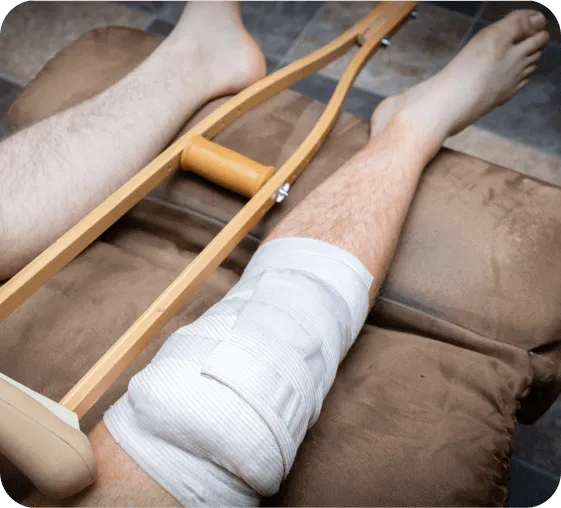
Medicare approves and several private insurers cover HBOT for crush injuries. By re-oxygenating crushed and ischemic tissue in the acute phase, HBOT reduces secondary necrosis, preserves viable tissue, and significantly improves functional outcomes.
Insurance covered
Compartment Syndrome
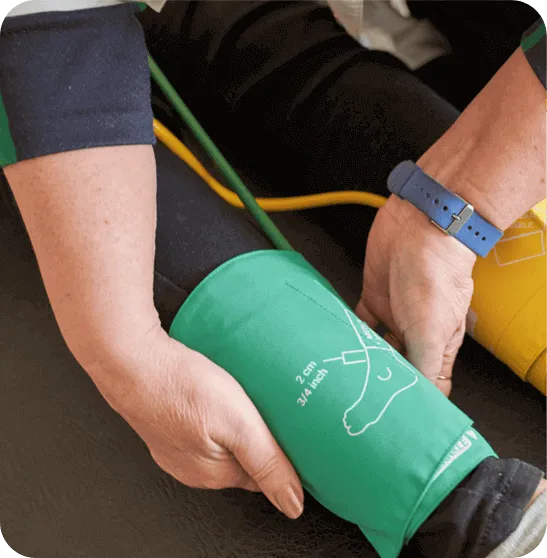
HBOT re-oxygenates ischemic muscle tissue, decreases dangerous intracompartmental pressure, and speeds healing of tissues damaged by vascular compromise. It is used both as a complement to surgical fasciotomy and in cases where surgery has been delayed.
Self-pay
Avascular Necrosis (AVN / Osteonecrosis)
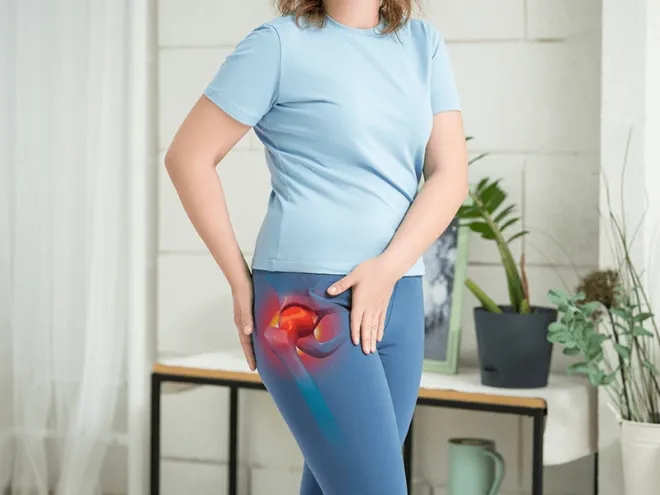
Studies of HBOT for avascular necrosis show measurable decreases in pain, increased joint mobility, and prevention of joint collapse when treatment begins early. HBOT promotes angiogenesis in the avascular bone, restoring the blood supply needed for repair.

Acute / urgent
Necrotizing Soft Tissue Infections
(Necrotizing Fasciitis)
Studies show that HBOT as an adjunct to surgical debridement significantly improves survival and limb salvage in necrotizing fasciitis. The high oxygen tension is directly lethal to the anaerobic bacteria that drive these infections and reduces the spread of tissue death.

Acute / urgent
Gas Gangrene
(Clostridial Myonecrosis)
HBOT oxygenates hypoxic tissues and directly inhibits clostridial toxin production — the mechanism driving gas gangrene progression. It is used alongside surgical debridement to halt tissue death, reduce the extent of required amputation, and improve survival.

Insurance covered
Intracranial Abscess
Multiple studies show that HBOT as an adjunct to antibiotics heals intracranial abscesses at a significantly higher rate than antibiotics alone. The bactericidal effect of elevated oxygen tension enhances the efficacy of antibiotic treatment in the brain.
Insurance & Medicare coverage
Osteomyelitis and crush injuries are covered. We handle all the authorization.
Chronic refractory osteomyelitis and crush injuries are recognized by Medicare and broadly covered by private insurers. Intracranial abscess is also an approved indication. Our Patient Care Coordinators handle the full prior authorization process — you focus on treatment, not paperwork.
Why treatment pressure and session length matter for infections.
The bactericidal and antibiotic-potentiating effects of HBOT are pressure-dependent. They are achieved at 2.0–2.5 ATA over 90-minute sessions — the parameters we use. Soft-sided chambers at 1.3 ATA do not achieve these effects. If you are evaluating HBOT for an infection or bone condition, ask any clinic about their treatment pressure.
For time-sensitive trauma cases, call us directly.
For acute crush injuries, compartment syndrome, necrotizing infections, and gas gangrene, time from injury to first HBOT treatment is a critical factor in outcome. Please call us directly at (408) 356-7438 rather than scheduling online if your situation is urgent. We will work with you and your surgical team to initiate treatment as quickly as possible.

Schedule a free phone consultation
Our team will review your diagnosis, check your insurance coverage, and coordinate with your surgical or infectious disease team.
