Brain & Neurological Conditions
The Brain Can Heal. Oxygen Shows It How.
For decades, neuroscience held that the adult brain could not meaningfully repair itself. That understanding has changed. Advanced imaging now shows that hyperbaric oxygen therapy activates neuroplasticity — stimulating the growth of new neural connections, new blood vessels, and new tissue in regions damaged by injury, disease, or deprivation. Bay Area Hyperbarics has been treating neurological conditions for over 28 years.
How HBOT supports the brain
Oxygen is the brain's most critical fuel — and its most powerful medicine.
The brain is the most oxygen-dependent organ in the body. When brain tissue is damaged by injury, stroke, or disease, surrounding areas enter a state of chronic hypoxia — alive but metabolically dormant, unable to resume normal function. Conventional medicine has limited tools for reaching these areas.
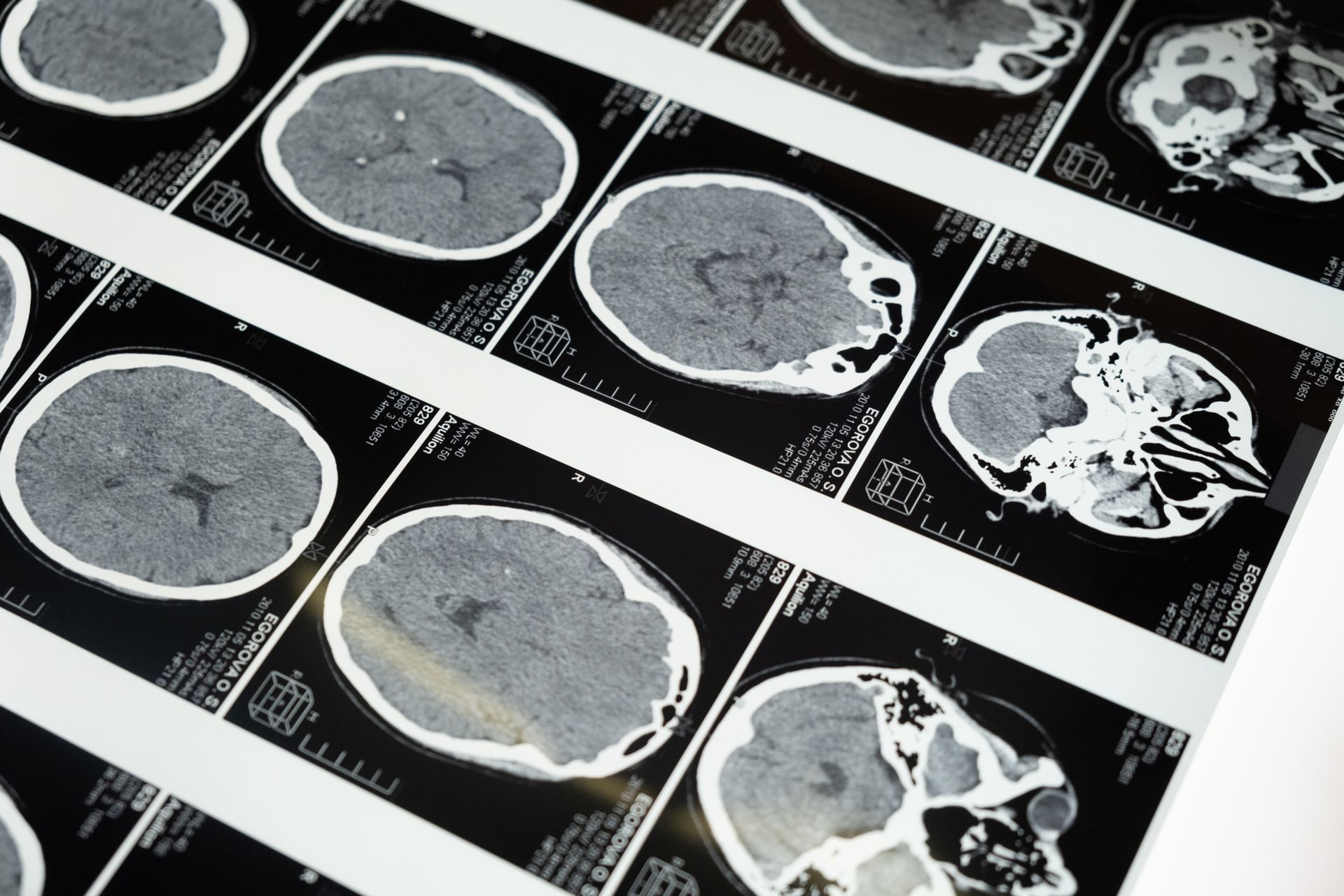
At 2.0–2.5 ATA, hyperbaric oxygen therapy dissolves enough oxygen into blood plasma to reach all tissues regardless of red blood cell access. In dormant brain tissue, this surge of oxygen has been shown via SPECT and fMRI imaging to reactivate metabolic activity, stimulate the formation of new blood vessels, and trigger neuroplastic change — the brain physically rewiring and repairing itself.
HBOT also down-regulates inflammatory genes — a critical mechanism in conditions like fibromyalgia and depression where neuroinflammation drives symptoms — and mobilizes stem cells that migrate toward sites of injury.
↑
Angiogenesis and neuroplasticity confirmed by brain imaging in TBI and stroke patients
9
Distinct neurological conditions treated at our clinic
2.0–2.5
ATA treatment pressure — the clinically validated range for neurological repair
90 min
Session length — the duration used in all research demonstrating neurological healing
Conditions we treat
Brain and neurological conditions at Bay Area Hyperbarics
Click any condition to read the research, understand what to expect, and hear from patients.

Self-pay
Concussion, TBI & Anoxic Brain Injury
Physicians increasingly refer HBOT for traumatic brain injury and anoxic brain injury. Brain imaging studies confirm angiogenesis and neuroplasticity — physical changes in brain tissue that correlate with improvements in cognition, memory, mood, and function.
Self-pay
Stroke
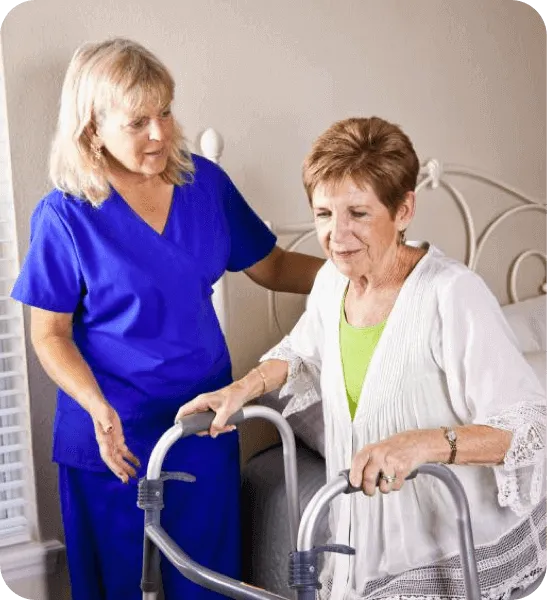
HBOT has been shown to activate neuroplasticity in chronic neurological deficits resulting from stroke — even years after the event. Patients show measurable improvements in motor function, speech, and cognition when dormant tissue is reactivated by oxygen therapy.

Self-pay
Dementia
HBOT helps the brain regenerate, most frequently slowing and in some cases partially reversing symptoms of dementia. Treatments promote cerebral blood flow, reduce neuroinflammation, and support the metabolic activity of neurons that are compromised but not yet lost.

Self-pay
Depression
Depression caused or complicated by brain injury responds particularly well to HBOT. By healing the underlying neurological damage — improving cerebral blood flow and reducing neuroinflammation — HBOT addresses the physiological roots of treatment-resistant depression.

Self-pay
Fibromyalgia
Imaging studies show that many fibromyalgia patients have detectable brain lesions. HBOT has proven effective in promoting healing of these lesions, enhancing brain function, reducing fatigue, and significantly alleviating pain — addressing the neurological source, not just the symptoms.
Self-pay
Fetal Alcohol Spectrum Disorder (FASD)
Patients with FASD treated with HBOT show improvement in verbal memory, impulse control, and reaction time. HBOT addresses the underlying neurological hypoxia and microvasculature damage associated with prenatal alcohol exposure.

Self-pay
Parkinson's Disease
HBOT decreases neuroinflammation, promotes neurogenesis, and improves mitochondrial biogenesis — three mechanisms central to Parkinson's progression. Emerging evidence supports its use as a complementary therapy to reduce symptom severity and slow decline.
Self-pay
Multiple Sclerosis
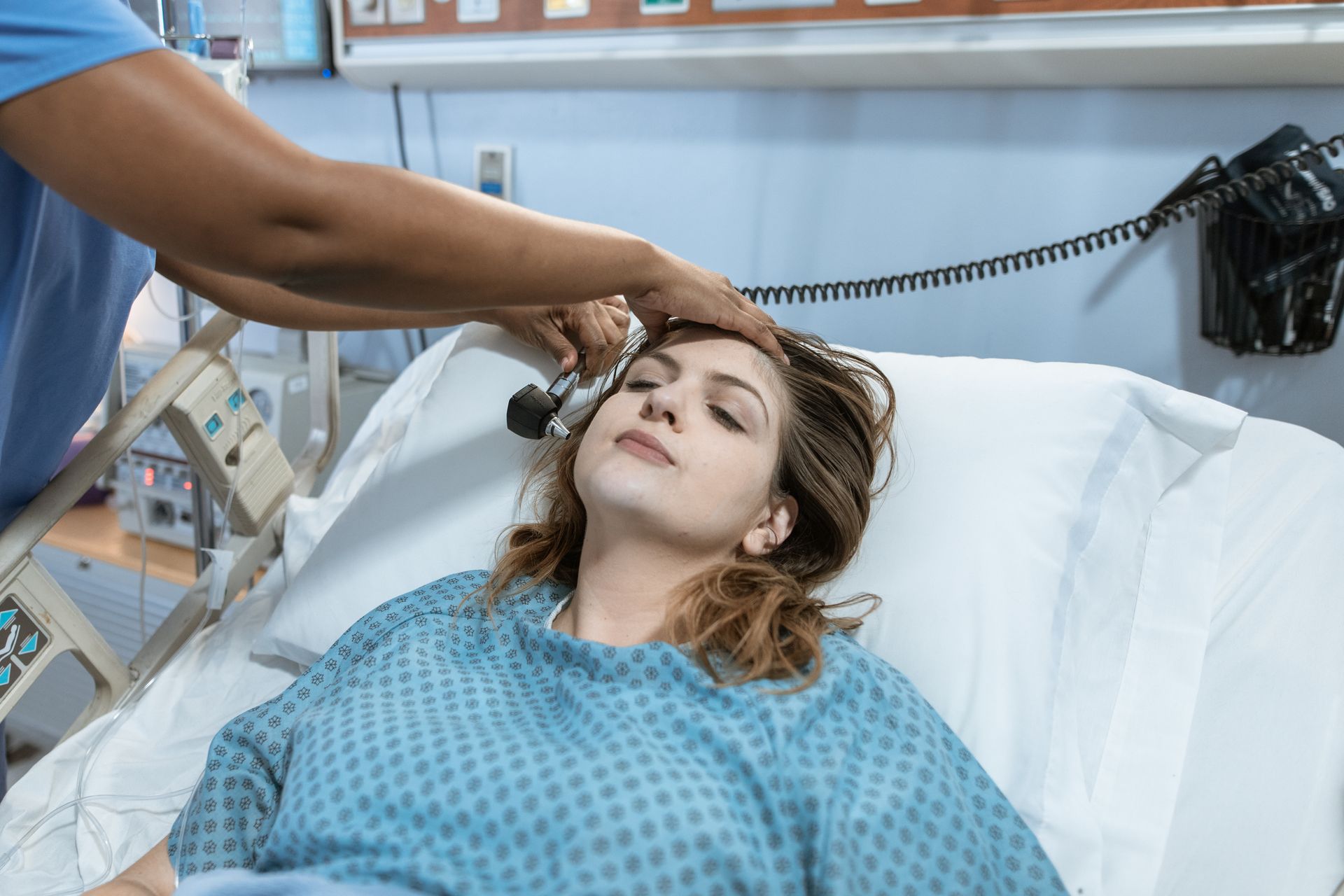
While HBOT does not cure MS, many patients find that regular hyperbaric treatment helps manage symptoms — reducing fatigue, improving cognition, and slowing relapse frequency. We work with each patient individually to develop a maintenance protocol.
Self-pay
Cerebral Palsy
HBOT works best for children who develop cerebral palsy due to a brain injury caused by a lack of oxygen. By reactivating hypoxic but viable brain tissue, HBOT can improve motor function, speech, and cognitive development in appropriate candidates.
Insurance & Medicare coverage
Most neurological conditions are self-pay — but treatment is more accessible than you may think.
Most brain and neurological HBOT treatments are not yet covered by Medicare or private insurance, as the evidence base — while compelling — is still maturing for many of these indications. However, our self-pay rates are structured to make treatment accessible, and our team will always review your situation to identify any coverage that may apply.
Why treatment session length matters for neurological healing.
Most brain and neurological HBOT treatments are not yet covered by Medicare or private insurance, as the evidence base — while compelling — is still maturing for many of these indications. However, our self-pay rates are structured to make treatment accessible, and our team will always review your situation to identify any coverage that may apply.

Schedule a free phone consultation
Our team will review your diagnosis, discuss your goals, and explain what HBOT can realistically do for your condition.
