Hyperbaric oxygen therapy reduces MS fatigue, neuroinflammation and supports remyelination
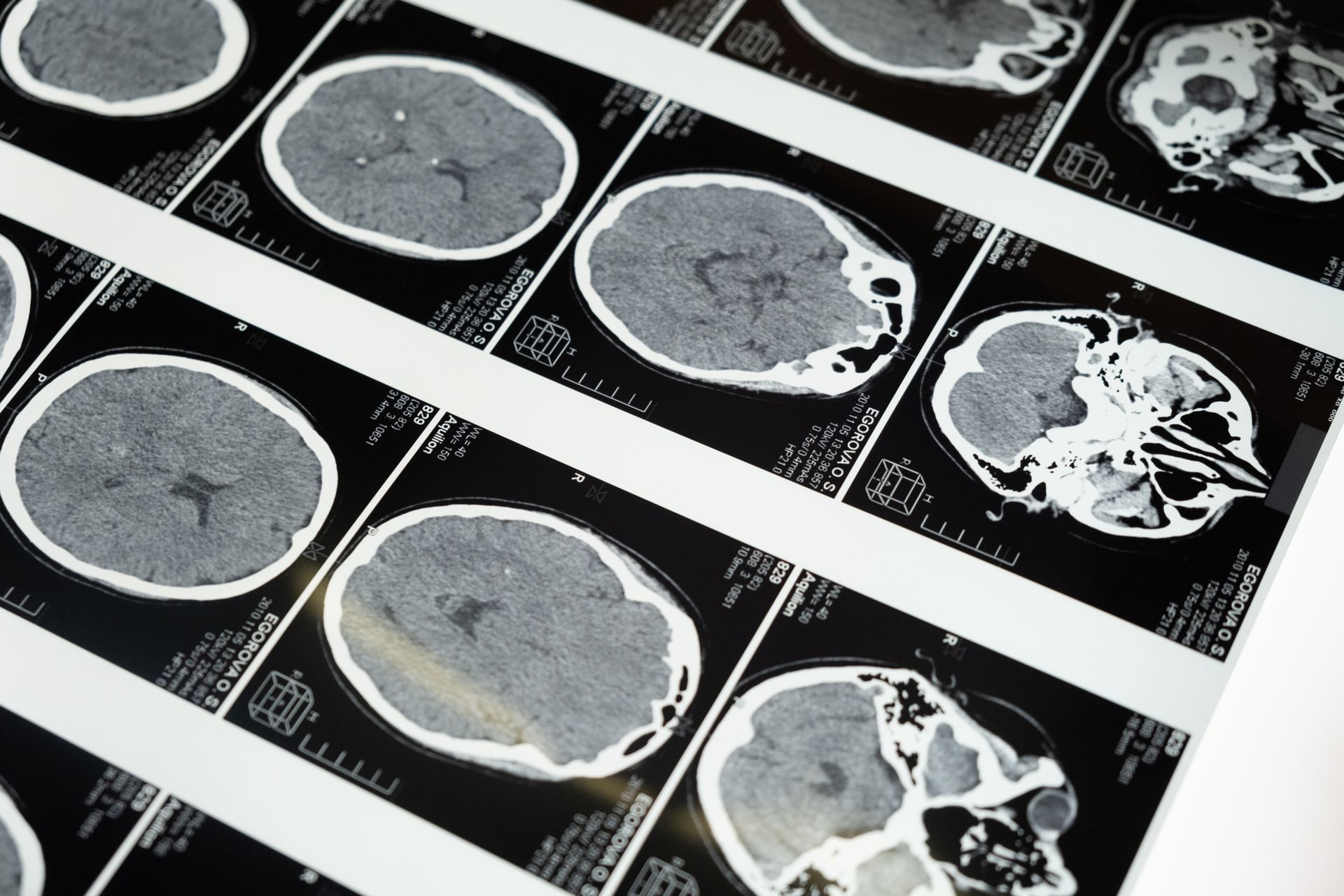
Understanding multiple sclerosis and how HBOT addresses neuroinflammation and tissue hypoxia
Multiple sclerosis is a chronic autoimmune disease of the central nervous system in which the immune system attacks myelin — the protective sheath surrounding nerve fibers — causing demyelination, axon damage and progressive neurological dysfunction. MS affects approximately one million people in the United States and is the leading cause of non-traumatic disability in young adults.
Symptoms vary widely depending on which areas of the brain and spinal cord are affected, but commonly include fatigue, walking difficulty, vision problems, pain, bladder dysfunction, cognitive impairment and depression. The disease follows a relapsing-remitting course in most patients, with attacks of worsening symptoms followed by partial recovery, eventually transitioning to a progressive phase in many individuals.
Current disease-modifying therapies (DMTs) reduce relapse frequency and slow lesion accumulation but do not repair existing damage or address many of the most debilitating symptoms. HBOT offers a complementary approach targeting the underlying mechanisms of neural damage — hypoxia, oxidative stress and neuroinflammation — that DMTs do not directly address. British MS clinics have offered HBOT as a supportive therapy to MS patients since the 1980s, and it remains one of the most widely used adjunctive therapies in the UK MS community.
Fatigue — reported by up to 90% of MS patients and often described as the most disabling symptom
Walking difficulty, weakness and balance impairment
Bladder and bowel dysfunction
Cognitive impairment ("brain fog"), memory and processing speed difficulties
Pain, spasticity and sensory disturbances
Vision disturbances, depression and anxiety

How HBOT supports neurological health in multiple sclerosis
MS involves demyelination, neuroinflammation and impaired oxygen delivery to affected neural tissue. HBOT targets all three mechanisms simultaneously.

Reduces neuroinflammation and lesion activity

Improves cerebral and spinal cord oxygenation

Reduces fatigue — the most disabling MS symptom

Improves bladder function and mobility

Promotes remyelination and neuroprotection

Supports quality of life and wellbeing alongside standard DMT
For Providers
Clinical evidence for HBOT in multiple sclerosis
HBOT for multiple sclerosis has one of the longest research histories of any off-label HBOT application, with randomized controlled trials dating to the early 1980s.
Fischer et al. — first randomized controlled trial (1983): Fischer, Marks and Richardson published the landmark randomized double-blind trial of HBOT in MS in the New England Journal of Medicine (1983). The trial enrolled 40 MS patients and found that 12 of 17 HBOT-treated patients showed objective neurological improvement compared with 1 of 20 placebo patients. Bladder function, coordination and quality of life all showed significant improvement. [Fischer BH et al. N Engl J Med. 1983;308(4):181–186. PMID: 6336600]
Cochrane systematic review (2004): Bennett and Heard conducted a Cochrane systematic review of nine randomized controlled trials of HBOT in MS involving 504 patients. The review found statistically significant improvements in bladder function (OR 4.69) and a trend toward improvement in fatigue and overall disability scores in HBOT-treated patients. [Bennett M, Heard R. Cochrane Database Syst Rev. 2004;(1):CD003057. PMID: 14974006]
Meta-analysis supporting fatigue reduction: Multiple randomized and observational studies have consistently identified fatigue reduction as the most robust HBOT outcome in MS. Neubauer and colleagues at the International Hyperbaric Association have documented fatigue improvements in large cohorts of MS patients treated at UK MS Therapy Centres. The mechanism is thought to involve improved mitochondrial function and reduced neuroinflammation in perilesional tissue.
Anti-inflammatory mechanisms: Rossignol and Rossignol reviewed the neurobiological mechanisms of HBOT relevant to MS in Medical Gas Research (2012), highlighting HBOT's suppression of TNF-α, IL-1β and other pro-inflammatory cytokines active in MS lesions, and its upregulation of neuroprotective VEGF and BDNF. [Rossignol DA, Rossignol LW. Med Gas Res. 2012;2(1):16. PMID: 22883422]
UK MS Therapy Centres: The UK network of MS Therapy Centres, established in the 1980s, has collected long-term observational data on HBOT outcomes in thousands of MS patients. This real-world evidence base reinforces the clinical trial findings and supports the continued use of HBOT as a supportive adjunct in MS management.
Our MS HBOT protocol at Bay Area Hyperbarics
HBOT for MS is an adjunct to standard disease-modifying therapy — not a replacement. We work alongside your neurologist to address the symptom burden and functional limitations that current DMTs often do not fully resolve.
Assessment and neurology team coordination
Our medical team reviews your MS type, current disease-modifying therapy, symptom profile and treatment goals. We coordinate with your neurologist to ensure HBOT is integrated as a complementary approach alongside your existing medical care.

HBOT sessions to improve neural oxygenation and reduce inflammation
You breathe 100% oxygen at 1.5 to 2.0 atmospheres absolute for approximately 60 to 90 minutes per session. MS protocols typically involve 20 to 40 sessions as an initial course, with maintenance sessions scheduled based on your response and symptom pattern.

Symptom tracking and maintenance planning
We monitor fatigue, mobility, bladder function and overall quality of life throughout treatment. Maintenance sessions help sustain the improvements achieved and may reduce the frequency and severity of relapses over time.

Frequently Asked Questions
Answers to the most common questions MS patients ask about hyperbaric oxygen therapy.
No. HBOT does not cure MS or reverse established neurological damage. It works as an adjunctive therapy to reduce symptom burden, improve function and potentially slow disease activity by addressing neuroinflammation and cerebral hypoperfusion. The most consistently reported benefits are reductions in fatigue and improvements in bladder function, mobility and quality of life.
Living with MS? Ask us about HBOT
Bay Area Hyperbarics provides adjunctive HBOT for MS patients seeking to reduce fatigue, improve function and support neurological health alongside their standard care. Call us to schedule a consultation.
